Yara Richter · 28 September 2026
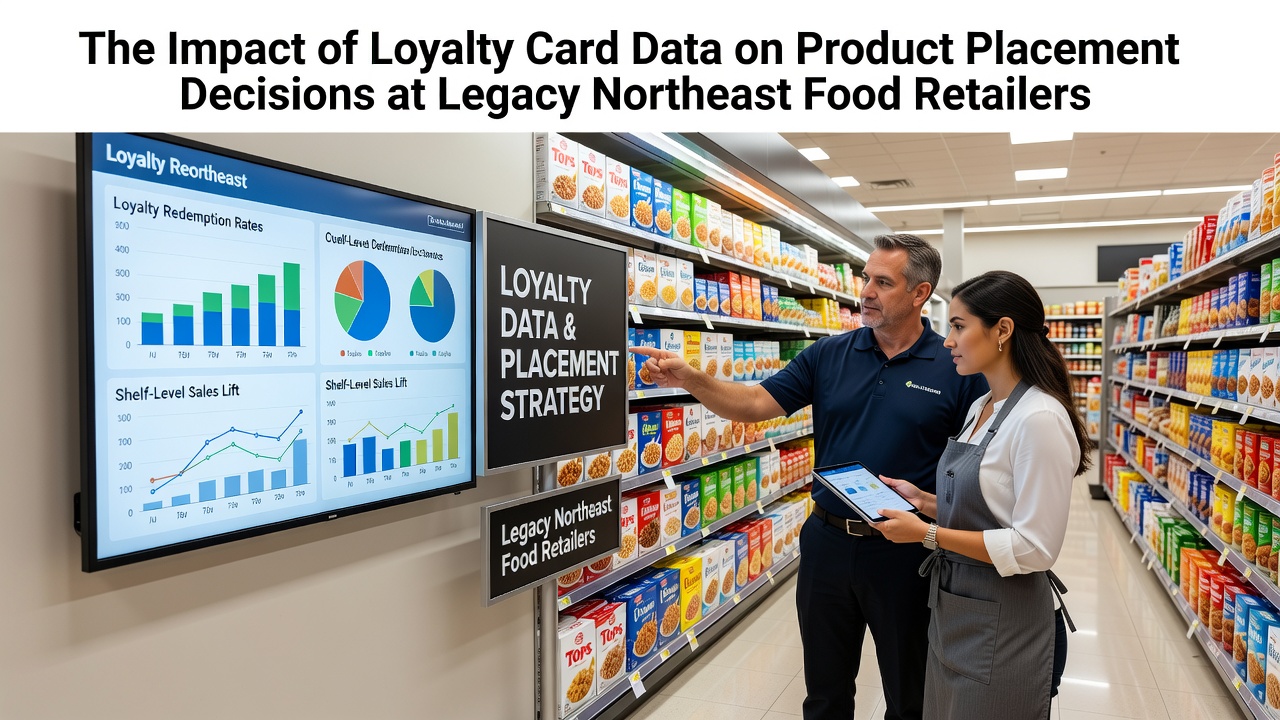
The Impact of Loyalty Card Data on Product Placement Decisions at Legacy Northeast Food Retailers
Legacy food retailers across the Northeast have relied on loyalty card programs for decades to gather detailed purchase histories from shoppers, and this information now shapes decisions about where specific products appear on shelves and end caps. Chains operating in states from Maine to New Jersey collect transaction data at checkout which reveals buying frequency, basket composition, and seasonal shifts in demand, allowing merchandisers to adjust layouts based on actual behavior rather than assumptions.
Data Collection Practices in Regional Chains
Shoppers present loyalty cards during transactions at stores operated by longstanding Northeast operators, and each scan captures item-level details that feed into centralized databases. Analysts then segment customers by demographics, purchase cycles, and response to promotions, while cross-referencing this information with external factors such as local events or weather patterns that influence foot traffic. Retailers process millions of records weekly, and the resulting profiles highlight which categories drive repeat visits in specific store formats.
Placement teams review these profiles when allocating space for new items or relocating established brands, since data often shows that high-frequency buyers respond differently to eye-level positioning versus lower shelf spots. One study from the Retail Council of Canada examined similar programs and found that targeted placement based on loyalty insights increased category sales by measurable margins in participating outlets.
Analysis Methods and Decision Triggers
Advanced software sorts loyalty records to identify correlations between product adjacency and overall basket size, and merchandisers act on these patterns by testing revised planograms in pilot stores before broader rollout. For instance, data might indicate that shoppers who buy fresh produce early in the week also add certain snack items, prompting retailers to move those snacks closer to produce sections in high-volume locations. Seasonal adjustments follow the same logic, with teams shifting displays ahead of holidays when historical records predict spikes in particular categories.
September 2026 marks the next scheduled update cycle for several legacy systems, when retailers plan to incorporate expanded mobile app data alongside traditional card scans to refine placement models further. This integration allows finer tracking of in-store navigation patterns, which in turn informs decisions about promotional islands and secondary displays.
Case Examples from Northeast Operations
Observers note that one regional operator adjusted its dairy case layout after loyalty records revealed strong cross-purchases with breakfast cereals, moving the two categories into closer proximity and recording sustained lifts in both. Another chain used purchase frequency data to reposition ethnic specialty items nearer to core grocery aisles in stores serving diverse neighborhoods, since the information showed these products appeared regularly in baskets from specific zip codes. Such adjustments occur regularly, and teams document outcomes through continued monitoring of sales velocity post-change.
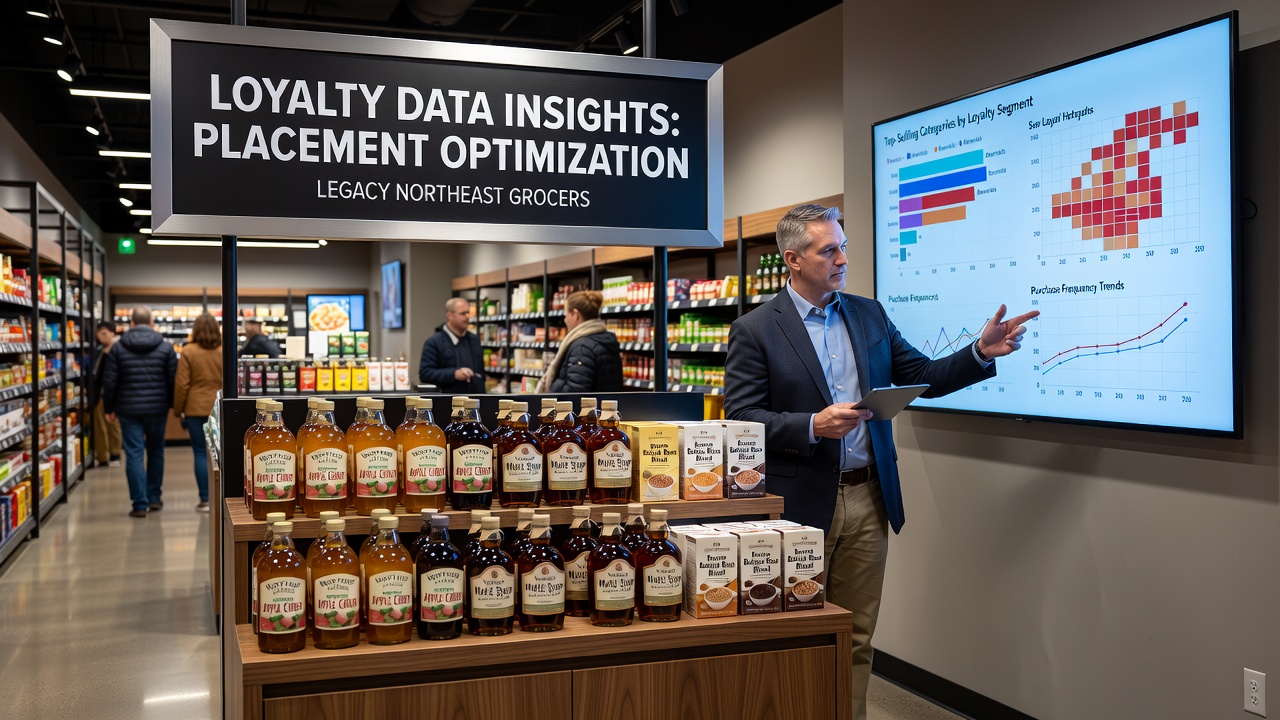
Researchers at several universities have tracked these tactics, and findings indicate that data-driven placement tends to favor items with higher margins when traffic patterns align with loyalty segments. Yet implementation varies by store size and format, with smaller legacy locations often applying insights more selectively due to space constraints.
Privacy Considerations and Regulatory Context
Northeast retailers must balance data utilization with compliance requirements under state privacy statutes, and many publish clear policies on how loyalty information informs merchandising. According to guidance from the Federal Trade Commission, companies should maintain transparency about secondary uses of transaction records, which includes product placement strategies derived from those records. European regulators have issued parallel recommendations through the European Data Protection Board, emphasizing consent mechanisms that several U.S. chains now mirror voluntarily.
Internal audits verify that anonymized aggregates protect individual identities while still delivering actionable placement intelligence, and retailers update these protocols periodically to align with evolving standards.
Future Developments Through 2026 and Beyond
Legacy operators continue investing in machine learning tools that process loyalty streams in real time, and these systems flag emerging trends that could warrant immediate shelf rearrangements. Partnerships with regional suppliers also incorporate shared data views, enabling joint decisions on inventory positioning that reflect both retailer insights and producer forecasts. The approach reduces waste while aligning stock with demonstrated demand in each market.
Conclusion
Loyalty card data has become integral to product placement strategies at legacy Northeast food retailers, driving adjustments based on documented purchase behaviors and regional variations. As systems evolve through 2026, the emphasis remains on measurable outcomes from these decisions, supported by ongoing analysis and regulatory alignment across jurisdictions.