Yara Richter · 14 September 2026
How Independent Northeast Grocers Streamline Inventory Through Regional Supplier Partnerships
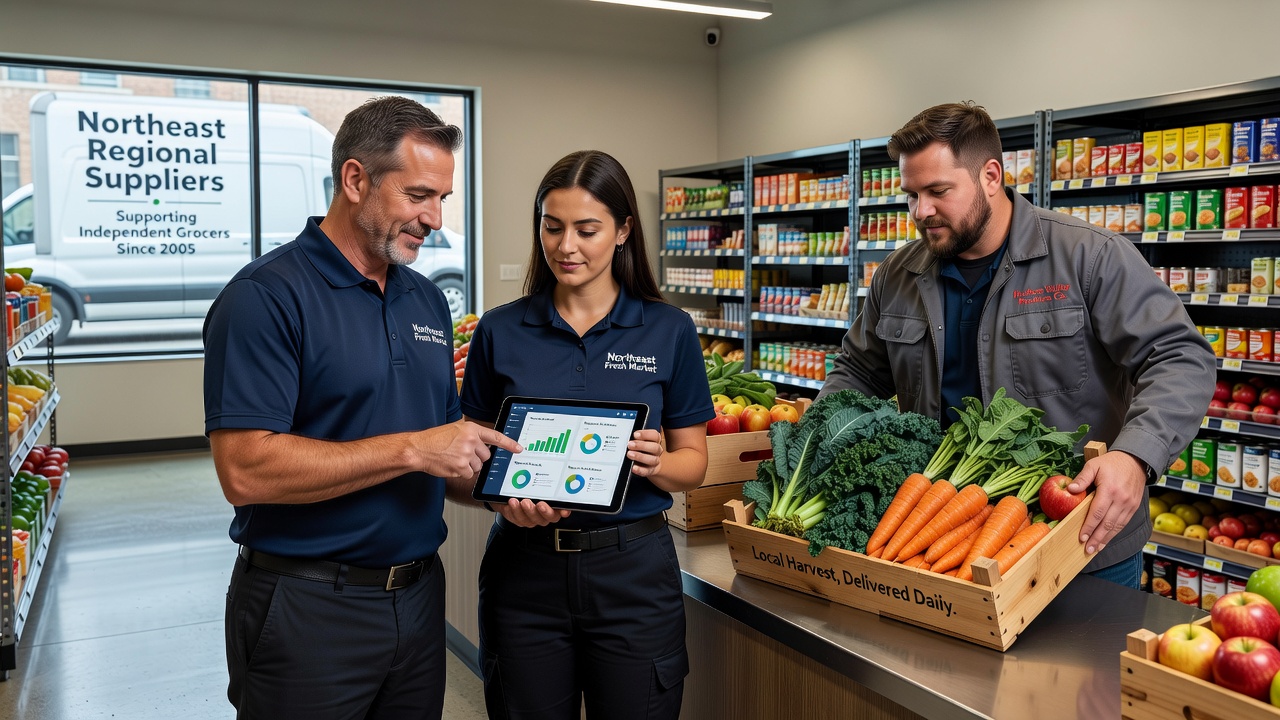
Independent grocers across the Northeast have developed regional supplier partnerships that allow tighter control over stock levels and reduced reliance on distant distribution centers. These arrangements connect stores directly with producers and wholesalers within a few hundred miles, which supports more frequent deliveries and smaller order sizes that match actual sales patterns. Data from the USDA Economic Research Service shows that such localized networks cut average lead times by 30 to 40 percent in participating operations, and the same figures indicate lower out-of-stock rates during peak seasons.
Regional Supply Networks in Practice
Store owners in states from Maine to New Jersey form buying groups that negotiate volume commitments with nearby farms, dairies, and specialty processors. The groups place consolidated orders twice weekly instead of relying on the once-a-week schedules common with national distributors. Because the suppliers operate inside the same climatic and seasonal zone, they adjust harvest and production forecasts in real time, and grocers receive advance notices when yields shift. This coordination keeps inventory aligned with demand without large safety-stock buffers.
One buying cooperative based in central Massachusetts links twelve independent stores to three produce terminals and two meat processors. Shared software tracks daily sales and automatically adjusts upcoming orders, while the suppliers upload their available quantities each morning. The system reduces manual forecasting and prevents the over-ordering that leads to spoilage.
Inventory Techniques That Rely on Proximity
Partners use cross-docking at small regional hubs rather than full warehouse storage. Trucks arrive from suppliers, loads are sorted by store, and outbound vehicles depart within hours. This approach limits the time products spend in transit and cuts handling costs. Research from the University of Massachusetts Amherst Food Systems Program documents that cross-docked regional routes maintain product temperature integrity more consistently than long-haul shipments that pass through multiple climate zones.
Many stores also adopt vendor-managed inventory agreements. The supplier monitors point-of-sale data and decides when to replenish specific items. Because the supplier is local, it can respond to sudden spikes, such as increased demand for certain produce during harvest festivals or holiday weeks. Observers note that stores using these agreements report inventory turns rising from 18 to 26 times per year on average for fresh categories.
Technology and Data Sharing
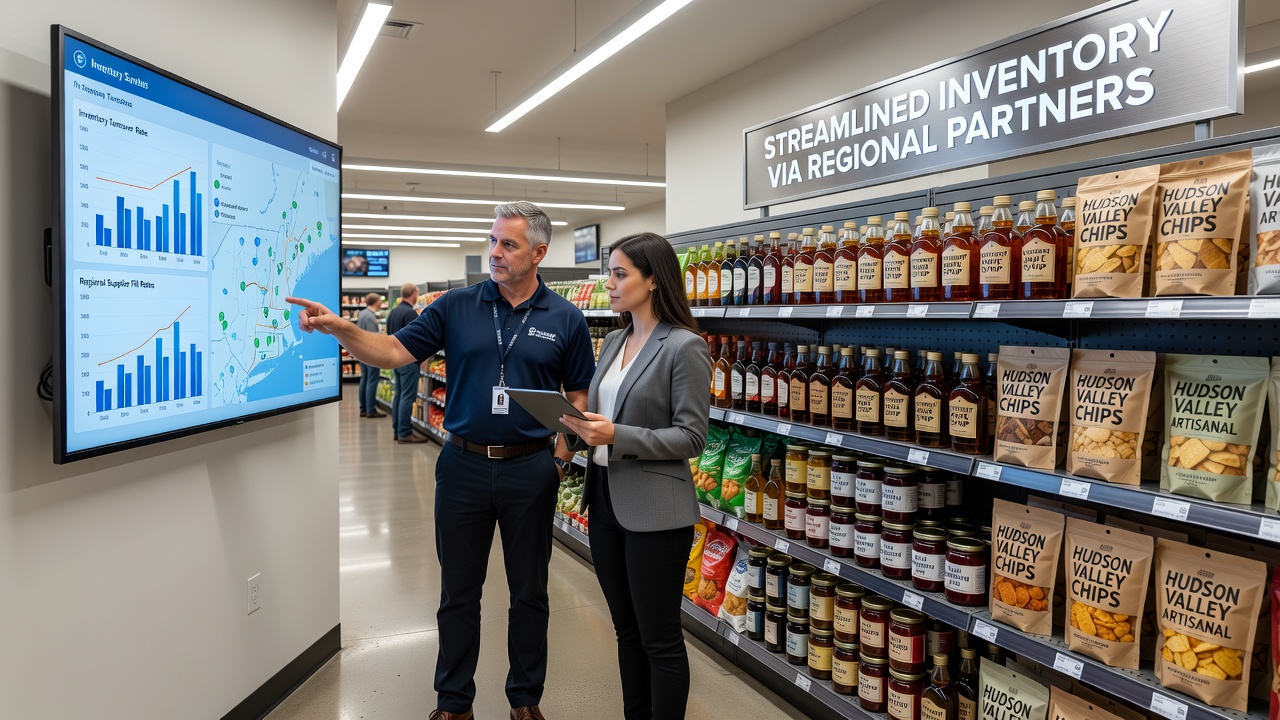
Cloud-based platforms let stores and suppliers exchange forecasts, delivery confirmations, and quality reports without custom integrations. A platform adopted by a Vermont cooperative pulls weather data and local event calendars to refine weekly projections. When a predicted storm threatens to reduce customer traffic, the system lowers order quantities for perishable goods 48 hours in advance. Suppliers in turn shift their production schedules and avoid excess inventory on their own side.
Electronic data interchange standards now common in the industry allow even smaller suppliers to participate. Processors that once relied on faxed order sheets now upload availability through mobile apps. The change has expanded the pool of potential partners and given grocers more options when one source experiences a shortfall.
September 2026 Trends
By September 2026 several Northeast states will have updated grant programs that reimburse part of the cost for stores and suppliers to adopt compatible inventory software. Early participants in those programs report that the shared data reduced emergency shipments by more than half compared with the previous year. State agriculture departments publish quarterly summaries that track participation rates and average inventory days on hand, and the September 2026 reports are expected to show continued improvement in both metrics.
Challenges and Adjustments
Regional partnerships require consistent quality standards across multiple suppliers. Stores therefore conduct joint audits and share inspection results. When one supplier falls short, the group reallocates orders to another member rather than placing last-minute calls to distant wholesalers. This internal flexibility keeps service levels steady while maintaining the cost advantages of shorter routes.
Seasonal volume swings still occur. A late frost or an early heat wave can alter expected yields, yet the close geographic ties allow suppliers to notify partners within 24 hours. Stores then promote alternative items or adjust promotions instead of absorbing unsold stock. The approach converts potential losses into planned substitutions that customers accept.
Conclusion
Independent Northeast grocers continue to refine these supplier relationships through shared technology, frequent deliveries, and localized decision-making. The resulting inventory systems respond faster to demand changes and keep waste lower than traditional long-distance models. As state programs expand in September 2026 and more suppliers adopt compatible data standards, the networks are positioned to grow while preserving the operational advantages already demonstrated in current operations.