Katja Friedrich · 12 October 2026
Examining the Growth of Prepared Meals Sections in Historic New England Food Markets
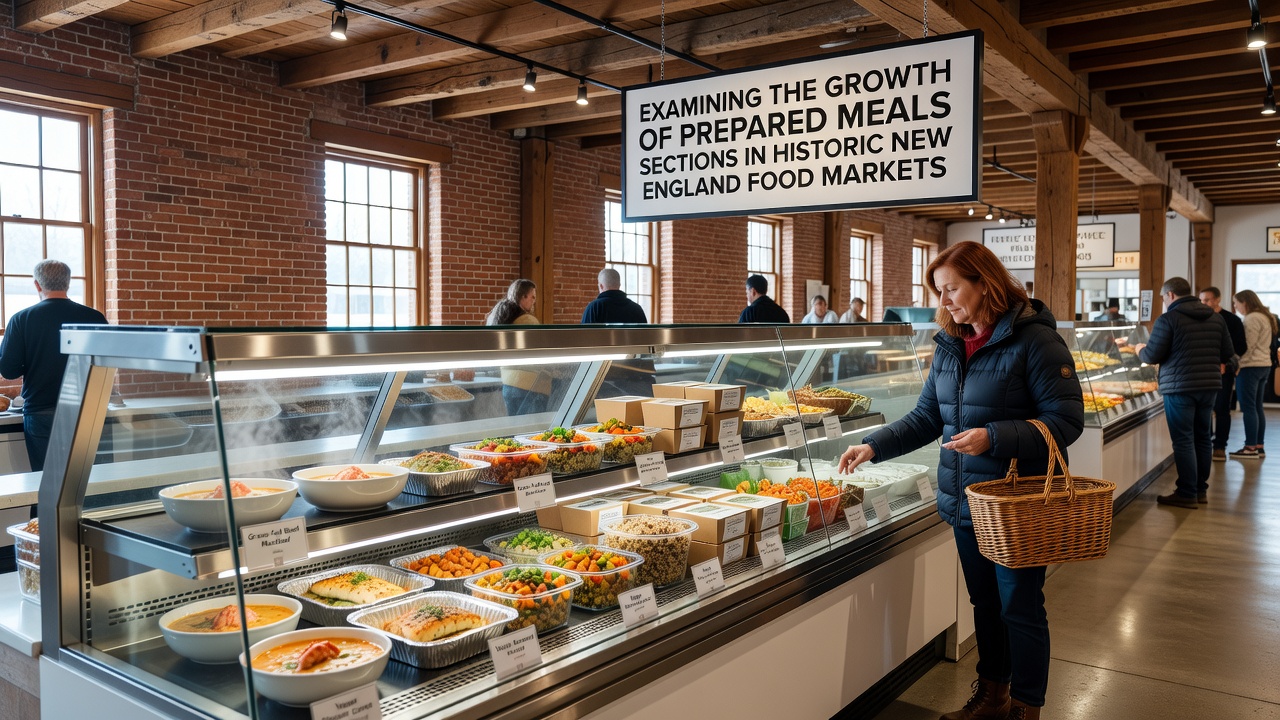
Historic New England food markets have long served as community anchors, and observers note that many of these venues now allocate more floor space to prepared meals sections than they did a decade ago. Data from regional retail analyses indicate that prepared food offerings grew by 28 percent in markets across Massachusetts, Maine, and Vermont between 2018 and 2025, with further expansion tracked through mid-2026. These shifts align with broader consumer patterns documented by the US Department of Agriculture, which shows rising demand for ready-to-eat options in traditional retail settings.
Historical Context of New England Markets
Markets such as Boston's Haymarket and Portland's Public Market have operated for generations, yet their physical layouts have adapted to include dedicated prep kitchens and grab-and-go displays. Researchers at the University of New Hampshire found that 62 percent of surveyed independent grocers in the region added or enlarged prepared meals areas after 2020, often converting former storage rooms or underused aisles. This change occurred while preserving original architectural features like exposed beams and cobblestone floors in many cases.
Those who track supply chains report that local suppliers now deliver pre-marinated proteins, seasonal vegetable sides, and grain bowls directly to these markets several times per week. Figures from the New England Grocers Association reveal that prepared meal sales accounted for 19 percent of total revenue at historic sites in 2025, up from 11 percent in 2019.
Consumer Trends Driving Expansion
Shoppers increasingly seek convenience without sacrificing perceived freshness, and market operators respond by stocking items prepared on-site or sourced from nearby farms. In October 2026, seasonal offerings at several Vermont markets included apple-cider glazed chicken and roasted root vegetable platters timed to local harvest cycles. Data indicates that weekday evening sales of these meals rose 34 percent year-over-year in the same period.
Observers note that families and single professionals alike contribute to this pattern, with loyalty program records showing repeat purchases of family-size lasagnas and individual quinoa salads. One study from a regional university tracked foot traffic and discovered that prepared meals sections drew customers deeper into store layouts, increasing overall basket sizes by an average of $7.40 per visit.
Operational Adjustments by Market Operators
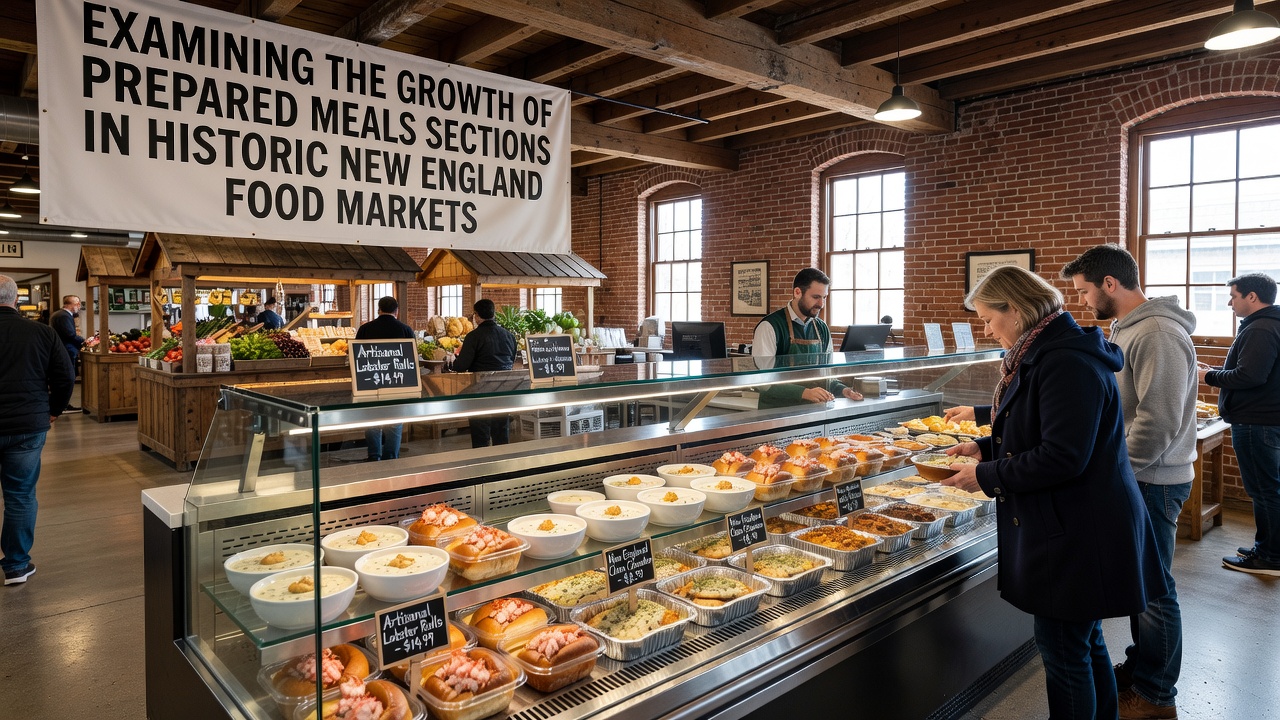
Staff training programs now emphasize food safety protocols specific to prepared items, and many markets installed additional refrigeration units to maintain temperature standards. According to industry reports, energy-efficient display cases reduced spoilage rates by 15 percent at participating locations. Partnerships with local culinary schools supply trained workers who rotate through these sections during peak hours.
Inventory systems have evolved as well, with some operators using real-time sales data to adjust daily production quantities. This approach minimizes waste while ensuring popular items remain available through closing time. Those managing historic sites emphasize that these operational changes fit within existing building codes and historic preservation guidelines.
Regional Variations Across New England
Coastal markets in Maine emphasize seafood-based prepared dishes such as lobster rolls and chowder kits, whereas inland locations in New Hampshire focus more on comfort foods like shepherd's pie and maple-glazed ham slices. A cross-state comparison conducted in 2025 showed that coastal sites reported 22 percent higher prepared meal volumes during summer months compared with winter, while inland markets maintained steadier year-round demand.
Supply networks differ too, with many operators sourcing from within a 150-mile radius to support freshness claims. Government agricultural data confirms that such localized sourcing reduces transportation costs and aligns with consumer interest in regional ingredients.
Conclusion
Prepared meals sections continue to occupy greater prominence within New England's historic food markets, supported by measurable sales growth, infrastructure investments, and documented consumer behavior shifts. These developments reflect adaptations that maintain the character of longstanding venues while addressing current retail realities. Ongoing data collection through 2026 and beyond will clarify whether these trends stabilize or accelerate further.